

Shopee Seller Philippines: How Malaysian Sellers Reach Filipino Buyers via SIP
Want to reach Filipino buyers from your Shopee Malaysia store? Here's how Shopee's SIP program actually works, who gets invited, and what it costs.
A buyer in Manila just bought from your store. You never opened a Shopee Philippines account. That’s Shopee’s International Platform (SIP): it routes your Malaysia listings straight into the Philippines. It isn’t something you sign up for. Here’s how it actually works, who gets invited, and what it costs.

What Is Shopee’s International Platform (SIP)?
Shopee runs the Philippines as its own local marketplace – separate seller registration, separate seller ID, separate PHP payouts. If you’re based in Malaysia and don’t hold a Philippine government ID, a Philippine mobile number, or a Philippine bank account, you can’t open a standard local Shopee Philippines seller account. That rules out most of the advice written for Filipino sellers.
Shopee’s actual answer for Malaysia-based sellers is the Shopee International Platform, usually shortened to SIP – sometimes described as Shopee’s cross-border selling programme. Instead of a second store, SIP takes the listings already live on your Shopee Malaysia account and makes them visible to buyers in the Philippines, plus Singapore and Thailand, with Shopee handling currency conversion, listing localization, and cross-border delivery on your behalf.
The catch: SIP isn’t something you apply for from a menu. Shopee invites eligible sellers directly inside Seller Centre, based on how the Malaysia store is already performing. This guide walks through what makes a store eligible, what happens after you accept an invite, how shipping and payouts actually work, and what SIP costs on top of your normal Shopee Malaysia fees.
Step 1: Build a Shopee Malaysia Store That Actually Qualifies
SIP is not offered to brand-new or inactive stores. Per cross-border seller guides covering the programme, Shopee looks at whether a store already has live listings with stock, a recent order history, and no pattern of policy violations before it extends an invitation.
In practice, that means:
- Your store has been actively selling for a while, not just registered
- You’ve completed real orders in the last 30 days, not zero
- Your products aren’t on Shopee’s overseas-prohibited items list
- Your seller performance metrics (late shipment rate, response rate) are healthy
If you’re not sure where your store stands, run it through our Shopee Seller Readiness Scorecard for Malaysia – it takes about three minutes and flags the same performance gaps that keep a store out of programmes like SIP.
Step 2: Watch for the SIP Invitation Inside Seller Centre
There’s no “Join SIP” button. Shopee sends invitations to eligible sellers as a pop-up or notification inside Seller Centre, in batches – not on request and not to every seller who technically qualifies.
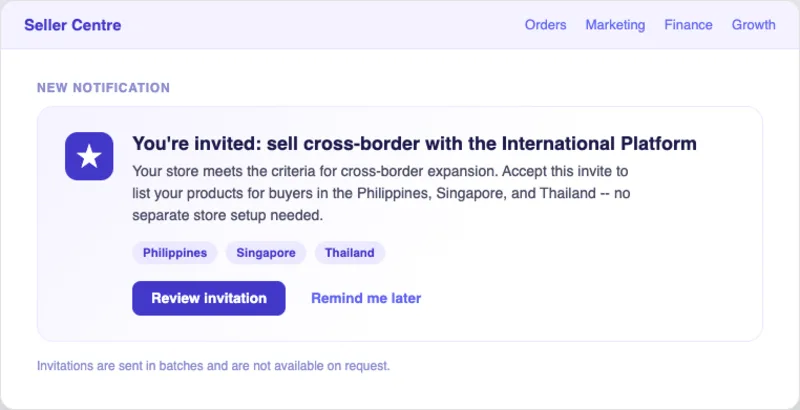
Check Seller Centre notifications regularly, especially after a stretch of consistent sales and on-time shipping. If you never see an invite despite meeting the criteria above, that’s a real outcome – SIP eligibility isn’t guaranteed, and Shopee doesn’t publish a fixed threshold sellers can check themselves.
Step 3: Accept the Invite and Complete SIP Onboarding
Once invited, accepting SIP does not create a second store for you to manage separately. Shopee syncs your existing Malaysia listings into the cross-border catalogue, automatically localizing product pages into the destination market’s language and currency for buyers browsing from the Philippines.

Review the synced listings before they go live. Pricing, product titles, and images pull from your Malaysia store by default, so check that nothing reads oddly once localized, and that any Malaysia-specific promotions or vouchers don’t carry over in a way that confuses a Philippine buyer.
Step 4: Check Product Eligibility Before You Go Live
Not everything in your Malaysia store is automatically sellable cross-border. Items on Shopee’s overseas-prohibited list get excluded from the SIP catalogue, and low-value items may not clear the minimum thresholds some SIP-linked programmes (like the resale scheme covered in Step 6) require.
Go through your top-selling Malaysia listings and confirm each one is a reasonable cross-border candidate – durable, not fragile in a way that makes international transit risky, and priced with enough margin to absorb the extra cross-border fees covered below.
Step 5: Ship to Your Own Malaysia Warehouse, Not Manila
This is the part sellers misunderstand most. You do not pack a box and send it to the Philippines yourself. SIP orders ship the same way your domestic Shopee Malaysia orders do – to Shopee’s own Malaysia warehouse, using your normal courier process.
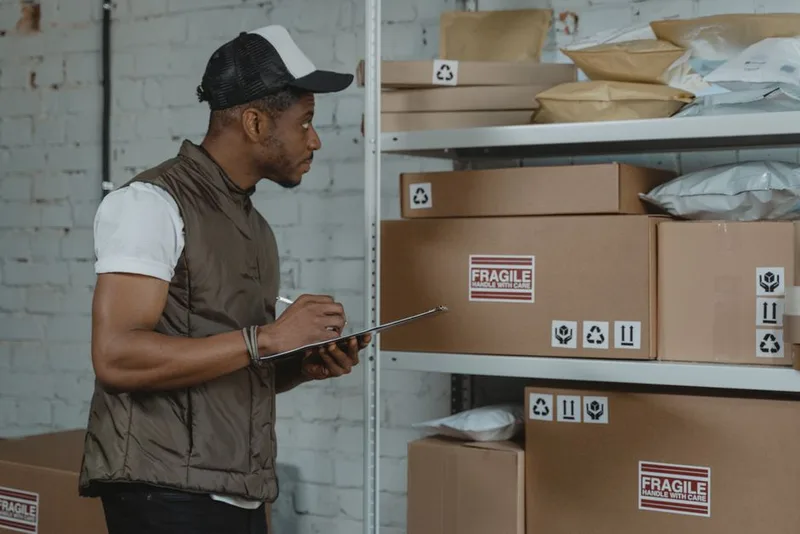
From there, Shopee’s own network takes over: cross-border transit, customs handling, and last-mile delivery through local Philippine couriers. You never deal with Philippine customs paperwork or a Philippine courier directly – that’s the entire point of selling through SIP instead of opening a standalone PH account.
Step 6: Track MYR Payouts, Stack Your Fees, and Recover Failed Deliveries
Every SIP sale still pays out in Malaysian Ringgit, on your existing Shopee Malaysia payout schedule. You’re never holding PHP and never converting it yourself – Shopee does that conversion before the payout reaches your account.
What changes is the fee stack. SIP orders carry cross-border fees on top of whatever you already pay for a normal Shopee Malaysia sale:
| Fee Component | Applies To | Reported Rate |
|---|---|---|
| Domestic Shopee Malaysia commission | All sales, including SIP | Category-based, per your existing Seller Centre rate card |
| SIP cross-border transaction fee | SIP orders only | Around 3.78% (confirm current rate in Seller Centre) |
| SIP platform support fee | SIP orders only | Roughly RM0.54 per order (reported) |
| Domestic shipping to the Malaysia warehouse | SIP orders only | Your normal Shopee Malaysia courier rate |
Build these into your cross-border pricing before you assume a PH sale is as profitable as a domestic one. Per third-party cross-border seller guides, Shopee also runs a SIP Resale Programme for orders that fail delivery or get returned in transit: instead of writing the stock off, eligible items (generally valued at US$2 or more, in resellable condition) go to an overseas fulfilment warehouse and stay listed for about 14 calendar days, with Shopee handling fulfilment if a new buyer orders it. That’s a meaningful way to avoid losing inventory entirely to a failed cross-border delivery.
Not sure your Shopee Malaysia store is even in shape for an SIP invite? Run the free Shopee Seller Readiness Scorecard – 3 minutes, checks the same performance signals Shopee looks at.
Frequently Asked Questions
Can I register a Shopee Philippines seller account directly from Malaysia?
No. Shopee’s standard Philippines seller registration requires a Philippine government ID, a Philippine mobile number, and a local bank account or GCash wallet. A Malaysia-based seller without those can’t open a standard local PH account – the realistic route is Shopee’s International Platform (SIP), which sells into the Philippines through your existing Malaysia store instead.
How do I get invited to Shopee’s International Platform (SIP)?
Shopee invites eligible sellers through a pop-up or notification inside Seller Centre – there’s no public application form. Sellers typically need an active Shopee Malaysia store with a track record of completed orders and acceptable performance metrics before an invite appears, and invitations go out in batches rather than on request.
What currency do I get paid in when I sell to Philippine buyers through SIP?
Malaysian Ringgit. Shopee converts the PHP sale automatically and pays it into your existing Shopee Malaysia payout account on your normal schedule. You never need a Philippine bank account, and you never have to handle PHP directly.
What fees does Shopee charge on SIP cross-border orders?
On top of your normal Shopee Malaysia selling fees, SIP orders carry an added cross-border transaction fee reported at around 3.78%, plus a small per-order platform support fee of roughly RM0.54, on top of category commission. Confirm the exact current rates in your own Seller Centre before pricing cross-border listings.
Keep Reading
- Shopee e-Invoice for Malaysian Sellers – what changes for your tax records once cross-border income starts showing up
- Shopee e-Invoicing Seller Guide – the two invoice types Shopee issues and where to download them
- Shopee Seller Readiness Scorecard – check whether your store meets the performance bar Shopee looks for before an SIP invite
Sources: Shopee International Platform overview, BigSeller, Guide to selling on Shopee from Malaysia, WorldFirst.
Frequently Asked Questions
Can I register a Shopee Philippines seller account directly from Malaysia?
How do I get invited to Shopee's International Platform (SIP)?
What currency do I get paid in when I sell to Philippine buyers through SIP?
What fees does Shopee charge on SIP cross-border orders?
Related Articles
How to Delete a Shopee Account in Malaysia (2026 Guide)
Delete your Shopee Malaysia account in the app. See the steps, what to clear first (ShopeePay, SPayLater, orders) and Vacation Mode for sellers.
How to Set Up Shopee e-Invoicing in Malaysia (2026)
Set up Shopee e-invoicing in Malaysia: get your TIN from MyTax, update Seller Centre, download your fortnightly records. 4 steps for Malaysian sellers.
Shopee e-Invoice Malaysia: Complete Guide for Sellers (2026)
Shopee issues e-invoices to LHDN for Malaysian sellers. Your role: update your TIN, know the two invoice types, and download both for tax records.
Before you go, grab the Shopee setup playbook
Registration, first listing, COD activation, ShopeePay setup. 15 pages, annotated screenshots.
No spam. Unsubscribe anytime.